Superfood.pk
Premium Seeds, Superfoods & Raw Honey
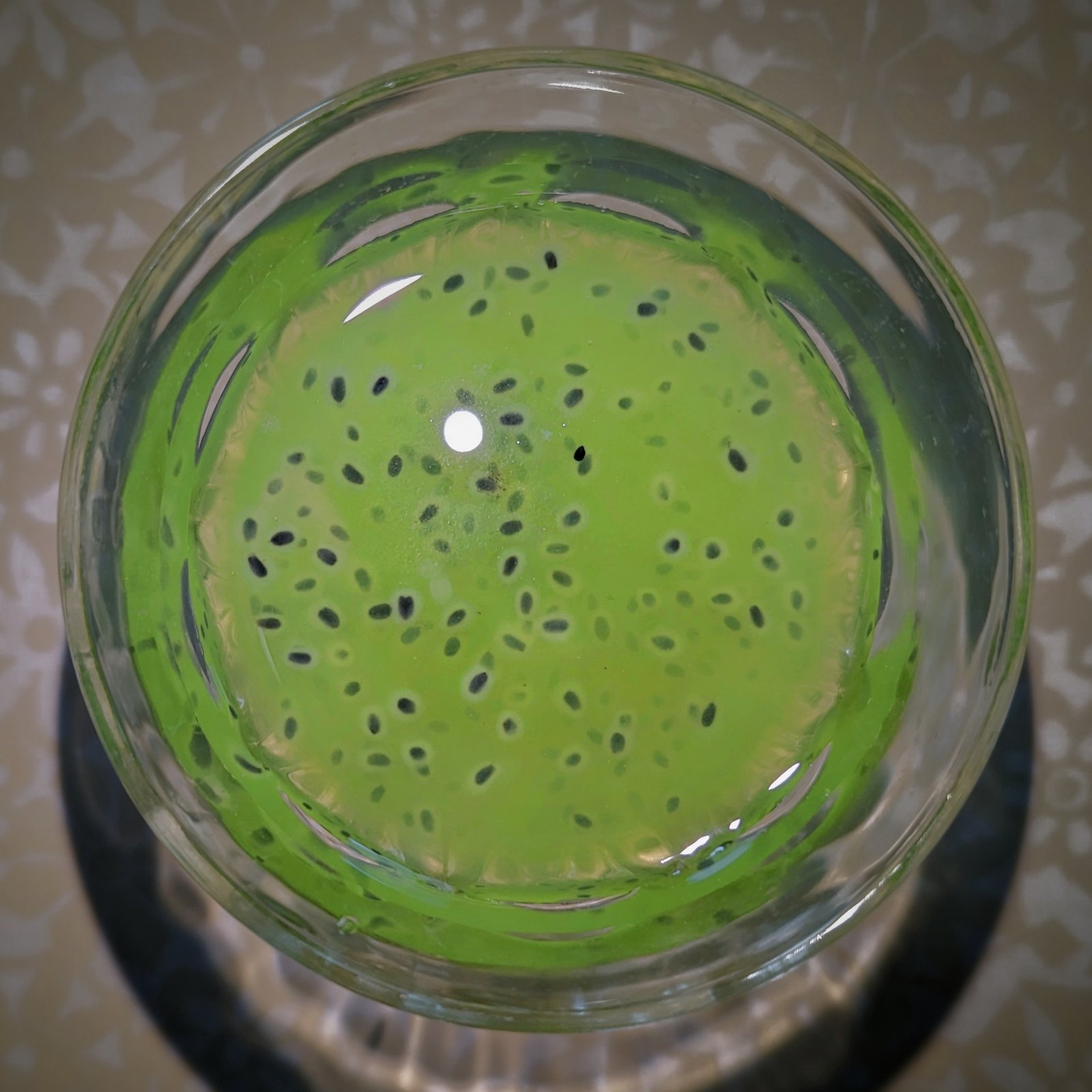
They look like cousins and both turn into a gel in water — so what is the actual difference between tukh malanga (basil seeds) and chia seeds? If you have stood in a shop in Pakistan wondering which one to pick up, this guide settles it.
Tukh malanga comes from the basil plant and has been used in South Asian drinks for generations — it is the seed floating in your falooda and Rooh Afza doodh. Chia comes from a Mexican plant and arrived in our markets more recently as an imported health food.
Tukh malanga swells within five to ten minutes, forming a soft, slippery gel around each seed. Chia takes longer — twenty to thirty minutes — and builds a thicker, firmer gel, which is why chia works in puddings and baking while tukh malanga belongs in drinks.
Chia is the heavier hitter for fibre and omega-3 per spoon, and it also brings more protein and calcium. Tukh malanga is lighter but still fibre-rich, gentle on the stomach, and traditionally valued for its cooling effect in summer heat — no small thing in a Lahore June.
Because tukh malanga is local, it costs a fraction of imported chia. If budget matters, tukh malanga in your daily drink gives you most of the benefit for far less money.
Choose tukh malanga for drinks, falooda and summer cooling. Choose chia seeds for puddings, smoothies, baking and maximum fibre. Many of our customers keep both — and honestly, that is the best answer.
Order on WhatsApp: +92 315 4282828 — JazzCash/Easypaisa advance payment, flat Rs.200 delivery across Pakistan.